By: solteszlab

December 18, 2019

In-vivo Calcium Imaging

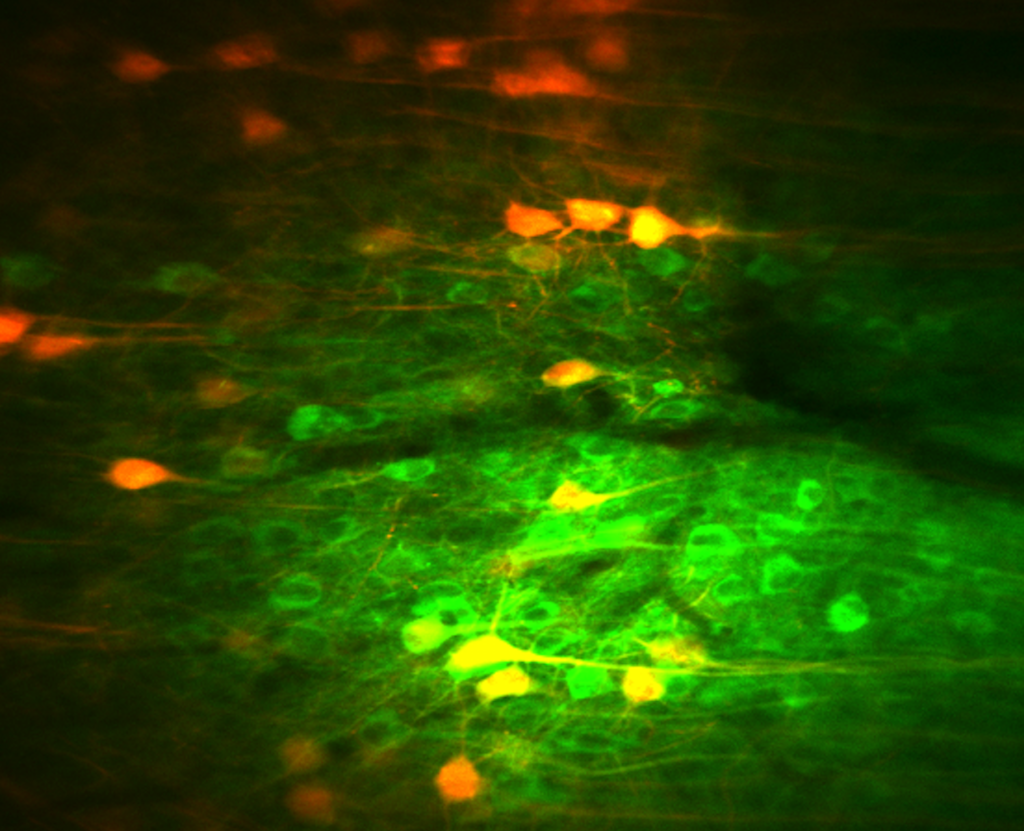
We’re using 2-photon microscopy to record neuronal activity with single-cell resolution in the hippocampus of awake, behaving mice. Taking advantage of cell type-specific viral targeting of various biosensors, our goal is to better understand how distinct populations of excitatory and inhibitory neurons are recruited during network oscillations in the healthy brain, and during pathological activity such as seizures in the epileptic brain.
Lab Members

Research Scientist

Gergely Szabo

Research Scientist

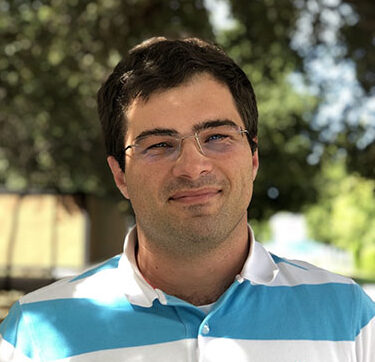
Gergely Szabo

Gergely is a Basic Life Research Scientist whose main focus is studying the structure and function of hippocampal inhibitory circuitry and its involvement in learning and memory, utilizing techniques such as electrophysiology, optogenetics, and imaging. Gergely received his MS in Biology from Eotvos Lorand University in Hungary and his Ph.D. in Neuroscience from Semmelweis University in Hungary, after which he joined the Soltesz Lab as a postdoctoral fellow.

December 18, 2019

Computational Modeling

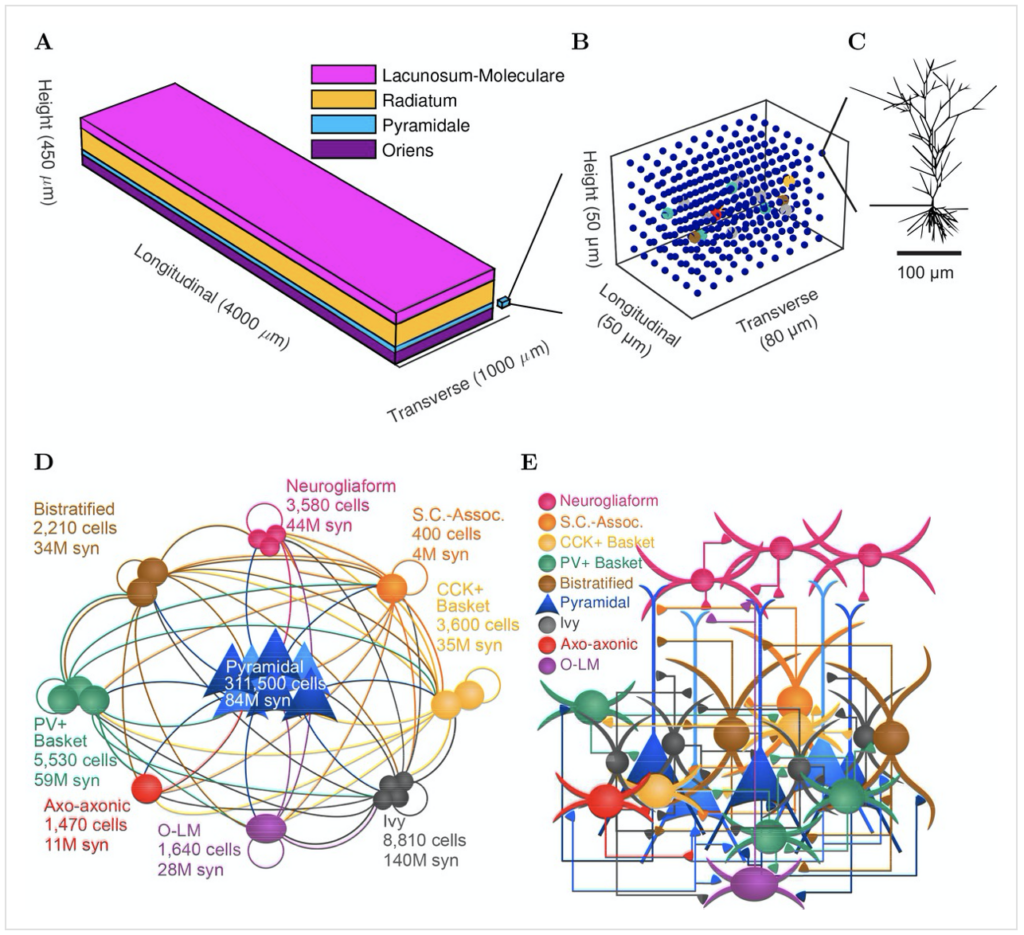
The hippocampal circuits that store and recall spatial information are comprised of diverse cell types, each exhibiting distinct dynamics and complex patterns of synaptic connectivity. Thus, even highly specific experimental perturbations of a single component of these neuronal circuits can have counterintuitive effects on their internal dynamics and output. Computational modeling offers experimentalists a framework to integrate their knowledge, make explicit the assumptions of their conceptual models, and quantitatively predict how each element of a neuronal network is expected to respond to cell type- or projection-specific perturbations. In the Soltesz lab we build computational models in close collaboration with experimentalists, both in the lab, across Stanford, and at other institutions through a multi-site NIH BRAIN Initiative collaboration. Our large-scale network models of the hippocampus are continuously refined to incorporate newly obtained experimental constraints, and numerical simulations are carried out to test hypotheses, compare candidate biophysical and network mechanisms for memory storage and recall, and aide in the interpretation of physiological and behavioral experimental data. The ultimate goal of these efforts is to obtain a deep conceptual understanding of the cellular and network mechanisms that mediate “memory replay” events called sharp-wave ripples by simulating a large-scale model of the hippocampus that reproduces for the observed firing properties of all cell types during sharp-waves.

Lab Members

Research Engineer

Ivan Raikov

Research Engineer

Ivan Raikov

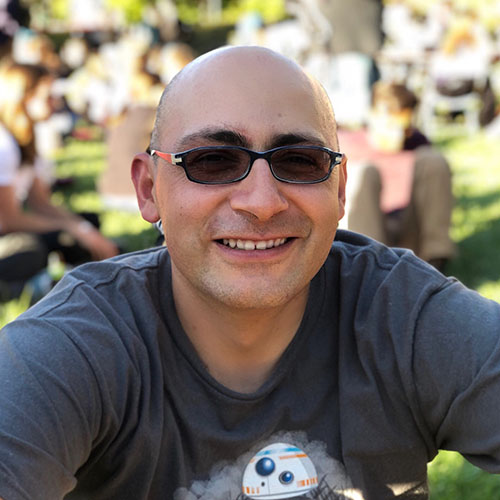
I hold undergraduate and master’s degree in Computer Science from the Georgia Institute of Technology, and a PhD in Biomedical Sciences from the University of Antwerp. I am studying information processing in the hippocampus by means of highly detailed and realistic computational simulation of neuronal networks at 1:1 scale.  More broadly, I am interested in solving the enormous neuroinformatics challenges of computational neuroscience by developing sophisticated computational frameworks capable of expressing, organizing and managing the different types of data and algorithms associated with computational models of neural networks.

Sandra is an experienced Research Laboratory Services Manager with a demonstrated history of working in the higher education industry for more than 5 years. Skilled in Molecular Biology, Cell Culture, Life Sciences, Microscopy as well as cell biology techniques that utilize laser-based technology to simultaneous multi-parametric analyze physical and chemical characteristics of tissues or cells. She is a strong research professional with a Bachelor of Science (B.Sc.) focused in Nutritional Science from University Hohenheim and a Business Administration background for more than 9 years. She has been working the last 5 years in the Genetics Department at Stanford and is now excited about her new role within the Soltesz Lab.